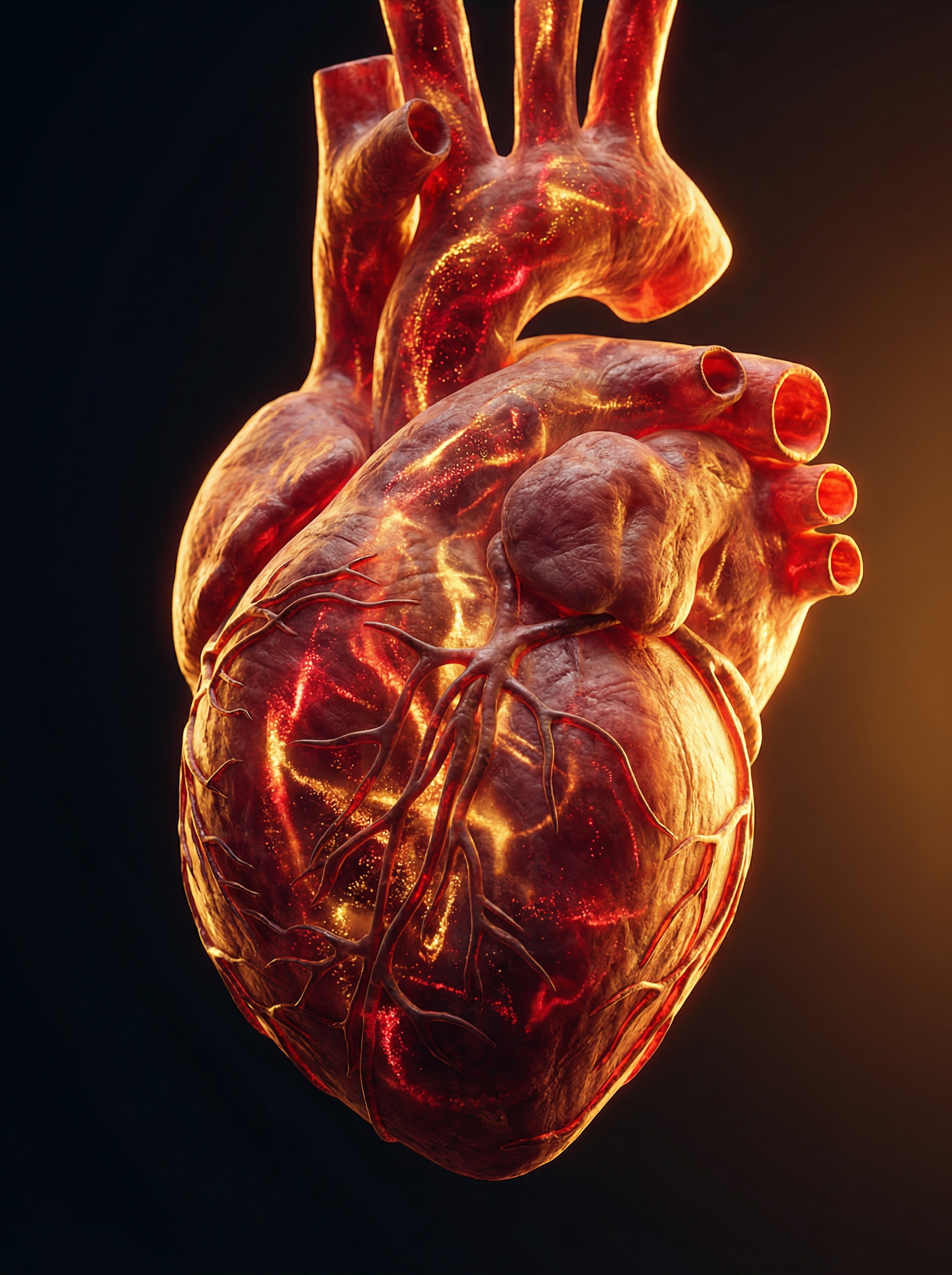
Cardiac Patch Regenerates Heart Tissue After Heart Attack
Bioengineered patches with stem cells demonstrate significant improvement in heart function post-MI.
1The Innovation
A bioengineered cardiac patch containing induced pluripotent stem cell-derived cardiomyocytes has shown remarkable ability to regenerate damaged heart tissue following myocardial infarction, according to results from a Phase I/II trial published in Circulation .
2Clinical Results
The patch, developed by a team at Stanford University, is applied directly to the damaged area during a minimally invasive procedure . Within 12 weeks, treated patients showed a mean improvement in left ventricular ejection fraction of 12.4 percentage points compared to 2.1 points in the control group.
3Engraftment Success
Unlike previous cell therapy approaches that suffered from poor engraftment, the patch provides a scaffold that keeps the stem cell-derived cardiomyocytes in place and promotes vascularization . Histological analysis of biopsy samples showed integration of new, functional cardiac muscle tissue.
4Future Implications
The implications are profound — heart failure following myocardial infarction affects over 6 million Americans, with limited treatment options beyond managing symptoms. This regenerative approach could fundamentally change the trajectory of post-MI care .
- 12.4% improvement in ejection fraction vs 2.1% control
- iPSC-derived cardiomyocytes on bioengineered scaffold
- Minimally invasive application procedure
- Histological evidence of new cardiac muscle integration
- Addresses 6M+ Americans with post-MI heart failure
Dive Deeper into the Research
Switch to PhD Mode to explore the underlying papers, knowledge graph connections, pathway analyses, and collaborate with researchers working on Heart Failure.
In This Article
Related Conditions
Active Clinical Trials
Phase III: Cardiology Study
Recruiting at 12 sites nationwide
Related Articles
Researcher Interest
2,156 consumers have expressed interest in this topic. Researchers studying Heart Failure can see anonymized demand signals.
Cardiac Patch Regenerates Heart Tissue After Heart Attack
Bioengineered patches with stem cells demonstrate significant improvement in heart function post-MI.
1The Innovation
A bioengineered cardiac patch containing induced pluripotent stem cell-derived cardiomyocytes has shown remarkable ability to regenerate damaged heart tissue following myocardial infarction, according to results from a Phase I/II trial published in Circulation .
2Clinical Results
The patch, developed by a team at Stanford University, is applied directly to the damaged area during a minimally invasive procedure . Within 12 weeks, treated patients showed a mean improvement in left ventricular ejection fraction of 12.4 percentage points compared to 2.1 points in the control group.
3Engraftment Success
Unlike previous cell therapy approaches that suffered from poor engraftment, the patch provides a scaffold that keeps the stem cell-derived cardiomyocytes in place and promotes vascularization . Histological analysis of biopsy samples showed integration of new, functional cardiac muscle tissue.
4Future Implications
The implications are profound — heart failure following myocardial infarction affects over 6 million Americans, with limited treatment options beyond managing symptoms. This regenerative approach could fundamentally change the trajectory of post-MI care .
- 12.4% improvement in ejection fraction vs 2.1% control
- iPSC-derived cardiomyocytes on bioengineered scaffold
- Minimally invasive application procedure
- Histological evidence of new cardiac muscle integration
- Addresses 6M+ Americans with post-MI heart failure
Dive Deeper into the Research
Switch to PhD Mode to explore the underlying papers, knowledge graph connections, pathway analyses, and collaborate with researchers working on Heart Failure.
In This Article
Related Conditions
Active Clinical Trials
Phase III: Cardiology Study
Recruiting at 12 sites nationwide
Related Articles
Researcher Interest
2,156 consumers have expressed interest in this topic. Researchers studying Heart Failure can see anonymized demand signals.